
Nature and Outdoor Experiences: The Impact on Corporate Teams
Time spent outdoors has become a significant component of corporate strategies aimed at improving employee wellbeing and refining team dynamics
Activities conducted in natural settings — including guided hikes, group problem-solving exercises, skills workshops, and structured retreats — can be designed to align with organisational objectives, supporting communication, reducing stress, and promoting effective collaboration among colleagues. Evidence from environmental psychology indicates that engagement with natural environments produces measurable effects on cognitive performance, attention, and overall group behaviour.
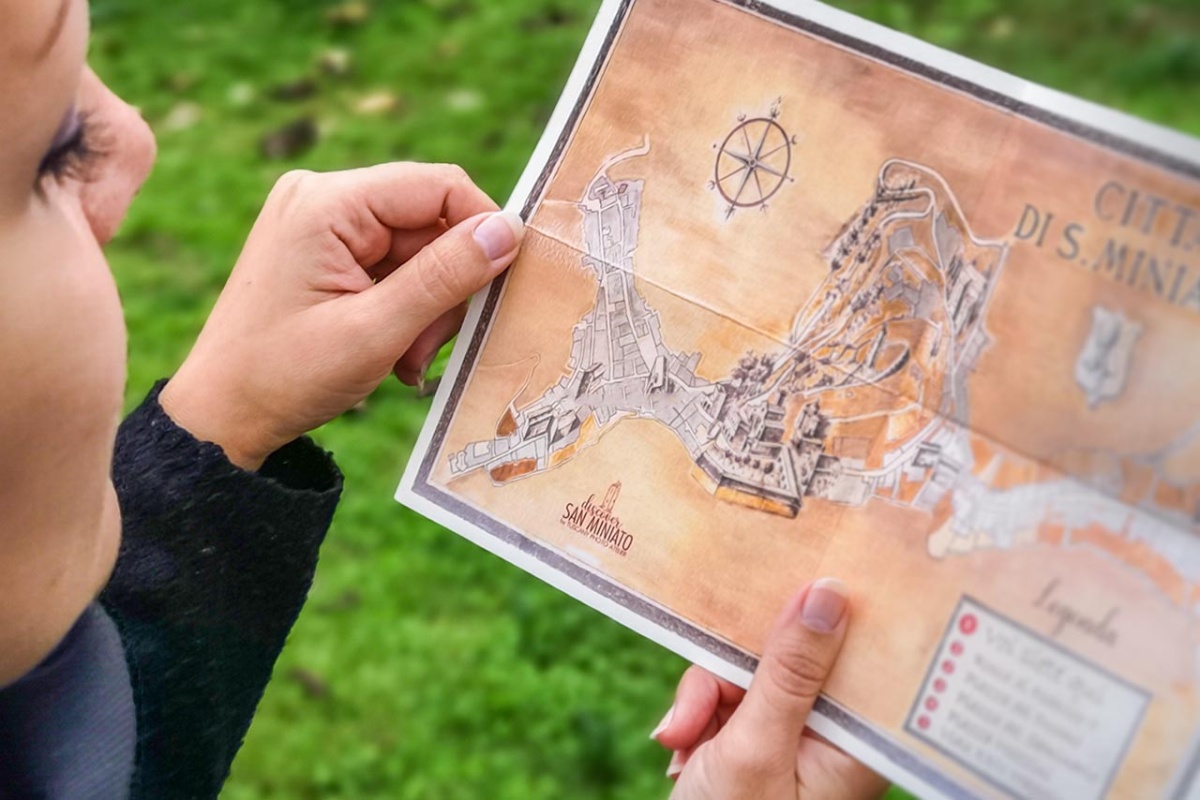
Psychological and cognitive benefits of nature immersion
Extended exposure to natural environments has been linked to reduced stress levels and improved mental clarity. Employees participating in structured outdoor activities, such as observational exercises in parks, guided forest walks, or small-group data collection tasks, often display enhanced focus and stronger problem-solving abilities once they return to the workplace.
Empirical studies further suggest that repeated interaction with green spaces helps alleviate mental fatigue, sustains attention over extended periods, and supports mood stability. Even low-intensity activities, such as reflective walks or rotating small groups through interactive exercises, can produce tangible improvements in cognitive functioning and workplace performance.
.jpg)
Team interaction through shared outdoor activities
Conducting activities outside the office establishes conditions for social interaction that differ from conventional work environments. Collaborative tasks, including navigation exercises along nature trails, group scavenger hunts, or outdoor workshops, require participants to coordinate, share responsibilities, and adjust strategies collectively. Natural settings frequently reduce hierarchical pressures, allowing employees across different roles and levels of seniority to contribute on a more equal footing.
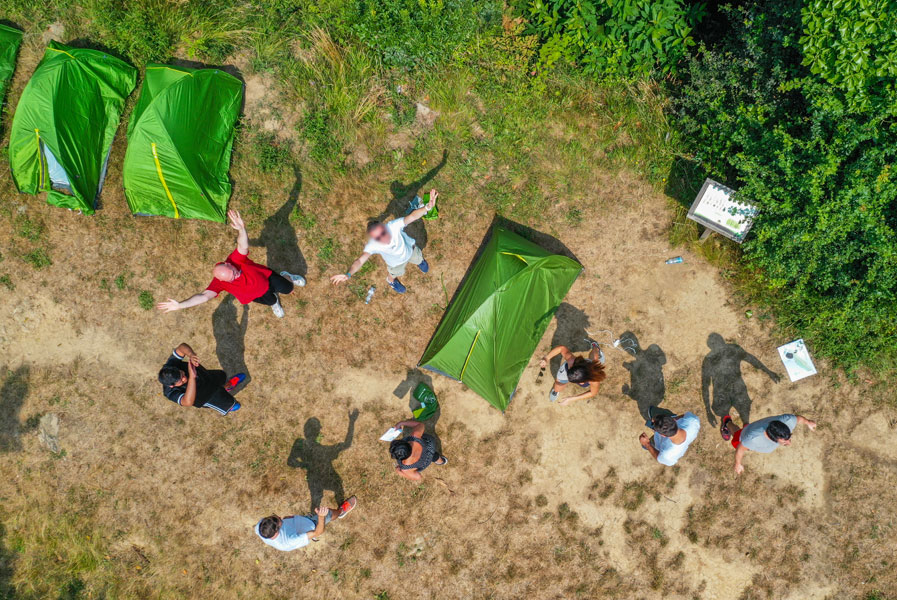
Teams that rotate leadership roles during timed challenges or coordinate logistics for multi-station outdoor exercises gain practical insights into workflow, interpersonal communication, and problem-solving approaches. These interactions reveal patterns of collaboration and decision-making that are less observable in structured office environments, providing useful data for managing team dynamics more effectively. Team exercises also offer opportunities to monitor coordination under pressure, identify strengths and areas for development, and apply these insights to operational planning.

Practical considerations for implementing outdoor initiatives
The selection of outdoor activities should reflect organisational goals, available resources, and participant needs. Suitable formats range from guided walks and structured challenges to outdoor discussion groups and location-based workshops in accessible parks. Planning must prioritise safety, inclusivity, and logistical coordination to ensure that all participants can fully engage and that objectives are effectively achieved.

Clearly defined goals guide the choice of activities and the allocation of time and resources. These objectives may include improving communication, reducing stress, or assessing team coordination in non-conventional settings. When executed with careful planning, outdoor initiatives can become an integral part of organisational development, offering structured opportunities to enhance team functioning while simultaneously supporting employee wellbeing.