
Summer heat: how to plan team building that actually suits the temperature
Organizing an outdoor team-building event can be challenging when temperatures rise and the heat becomes intense.
Yet summer activities offer undeniable advantages, to the point that summer is often considered the ideal season for team building. A contradiction? Absolutely not. The key is to avoid common mistakes and maximize the benefits: a natural balance for experienced event professionals, but often a difficult goal for those without specific expertise. Here are a few tips to approach it in the right way.
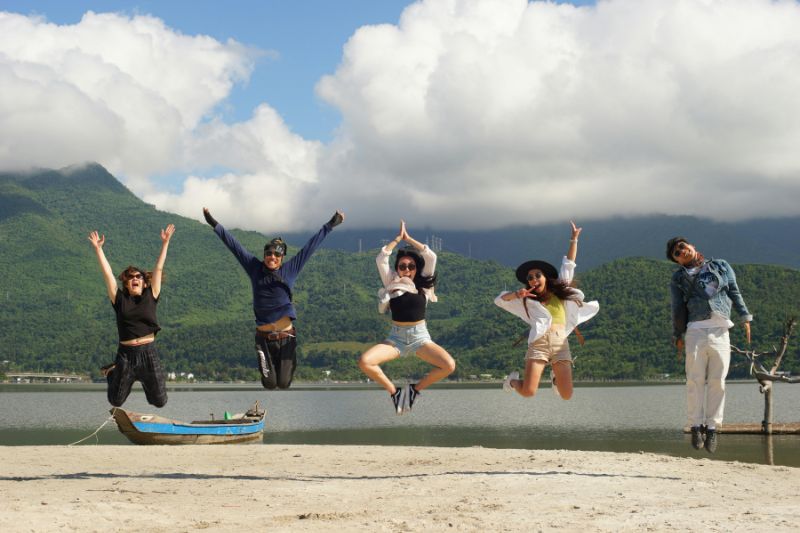
The heat problem nobody plans around
Extreme heat is one of the most underestimated risks when organizing outdoor activities, and this risk should never be overlooked when planning a corporate outdoor event in summer.
Even a seemingly “light” physical challenge, carried out in temperatures above 30°C, can turn into an effort that is anything but negligible, especially for mixed teams where participants may differ in age and physical condition. For this reason, it is essential to take a series of precautions, starting with an assessment of the specific characteristics of each team.
What is the age range of the participants? What are their characteristics, needs, and preferences? We never tire of repeating this: there is no such thing as a perfect team-building activity—only one that is perfectly suited to every member of the work group.
.jpg)
Timing and hydration as design principles, not afterthoughts
Outdoor activities requiring physical effort should be planned during the cooler hours of the day, generally in the morning or in the late afternoon, rather than concentrated around the hottest part of the day simply because it fits better with the schedule. This is not excessive caution; it is good event design.
A team building activity starting at nine in the morning can offer a completely different experience compared with the same activity beginning at one o’clock. Even moving the schedule slightly earlier can significantly affect participants’ comfort, energy and willingness to engage.
Hydration should also be considered a structural element of the event, not a small detail managed at registration. Water must remain easily accessible throughout the experience, while breaks in shaded areas or comfortable indoor spaces should be planned from the beginning. These pauses are not interruptions to the activity: they are part of creating the right rhythm for the day.

Choosing formats that work with the heat, not against it
Not every team building format reacts to summer temperatures in the same way. Some activities naturally integrate elements that make heat more manageable, transforming the environment from an obstacle into part of the experience.
Activities connected with water, for example, can offer a natural advantage during hot weather. Sailing experiences combine teamwork, navigation and communication with the refreshing effect of wind and open water, creating a challenge that feels stimulating rather than exhausting.
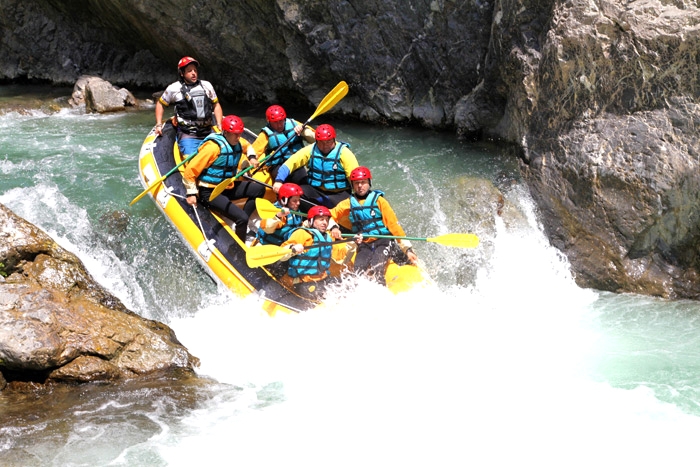
The same principle applies to activities involving rivers or water-based environments, where movement, cooperation and physical challenge are combined with moments of cooling and relief. The result is a shared experience that strengthens team dynamics without forcing participants to fight constantly against the conditions around them.
For groups that prefer a less physically demanding option, “investigative” or problem-solving team-building activities offer the same benefits in terms of collaboration and outdoor engagement, while requiring less physical effort. Experiences based on puzzles, creative challenges, and different formats can also be organized indoors or in covered spaces for teams that prefer to limit direct exposure to the sun.
Other formats can even make summer heat the central element of the concept. Culinary experiences based on fresh ingredients, creative workshops in comfortable settings, or photography activities that encourage exploration at a more relaxed pace allow participants to stay active without unnecessary physical strain.

Building the day around comfort, not just content
In this way, outdoor team building during the summer can become the valuable resource it can be, without being compromised by the heat.
Choosing suitable locations, avoiding the hottest hours of the day, ensuring easy access to hydration and recovery areas, and selecting activities that are suited to the weather conditions—and, above all, to the group—can radically improve the quality of the event and even turn it into one of the best memories of the summer.