
Kick-off & team building: the unexpected synergy
Corporate events are evolving in ways that challenge conventional planning, and uniting kick-off meetings with team building has become a strategic instrument capable of amplifying the value of both experiences.
By blending the operational and motivational thrust of a kick-off with the relational and experiential richness of team building, companies can transform routine corporate objectives into shared, emotionally charged challenges.

Kick off and team building activities: why the combination works
The essence of this hybrid format lies in its ability to engage the team on multiple levels simultaneously. Presenting company goals and strategies in a relaxed and interactive environment fosters stronger emotional buy-in. Cold targets turn into collective pursuits.
As the team moves through activities, discussions, and exercises, strategic alignment becomes tangible, not just abstract. The experience reinforces both commitment and clarity, generating a resonance that persists long after the event ends.

Structuring the dual approach
Designing a program that intertwines strategic kick-off moments with team-building exercises requires careful temporal and content planning. Alternating periods of focused alignment with immersive, cohesion-building activities prevents either aspect from dominating. Ideally, the sequence is conceived to mirror corporate objectives through metaphorical team exercises, creating a bridge between the company’s vision and the personal engagement of each participant. Thoughtful timing ensures that learning, collaboration, and motivation reinforce one another rather than compete.
Practical examples: simulating future challenges through engaging activities
If the goal is to strengthen cross-department collaboration, the kick-off might introduce concrete upcoming initiatives—for instance, the launch of a new digital platform shared by Marketing, Sales, and Customer Service. Immediately after the presentation, the group could move into a recycle-building activity, where mixed teams (including people from different departments) design and build a functional object using recycled materials.
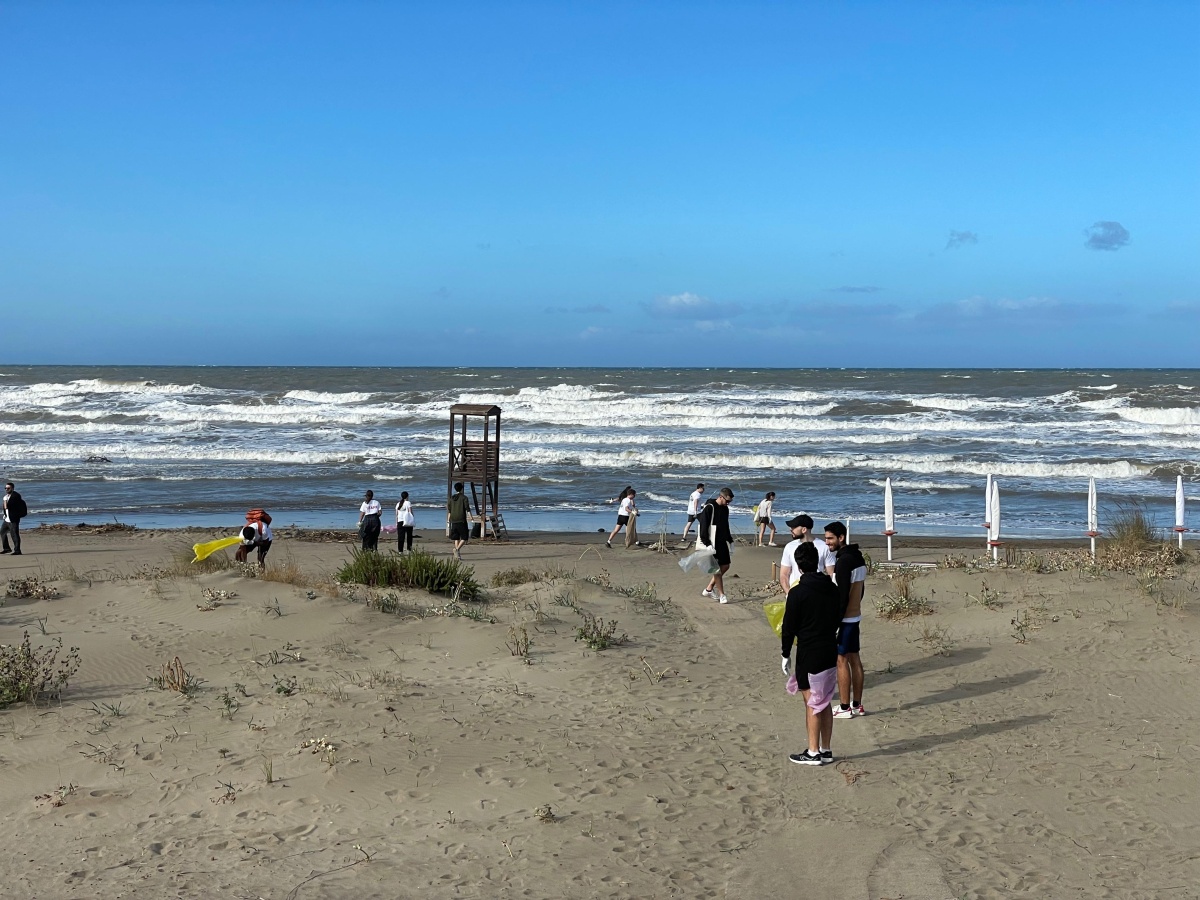
That object might be a prototype of an in-store display made from cardboard, plastic bottles, and old corporate banners, or an ergonomic workstation model assembled from pallets, reclaimed fabric, and repurposed containers. When well designed, the exercise becomes a direct metaphor for the collaboration required in real projects: each team must manage limited resources, negotiate roles, and work under time pressure—just as they will during the rollout of the new digital platform or a unified reporting system.
If the goal is to improve planning and problem-solving, the kick-off might instead focus on projects such as redesigning the customer-onboarding process (with specific milestones to meet) or launching a new product line by the end of the quarter, with critical phases already mapped out. Right afterwards, an outdoor treasure hunt can simulate deadlines and obstacles, with each stage mirroring a real step in the company project. For example: the first stage might require “budget approval” by solving a numerical puzzle within 15 minutes; the second could represent “coordinating external suppliers” by finding clues hidden across three locations and communicating via walkie-talkie; the third might force teams to “handle an unexpected issue” when one team receives a message cutting half of its available resources, pushing participants to reorganize priorities on the spot—just as they would if a supplier backed out or a key team member fell ill.
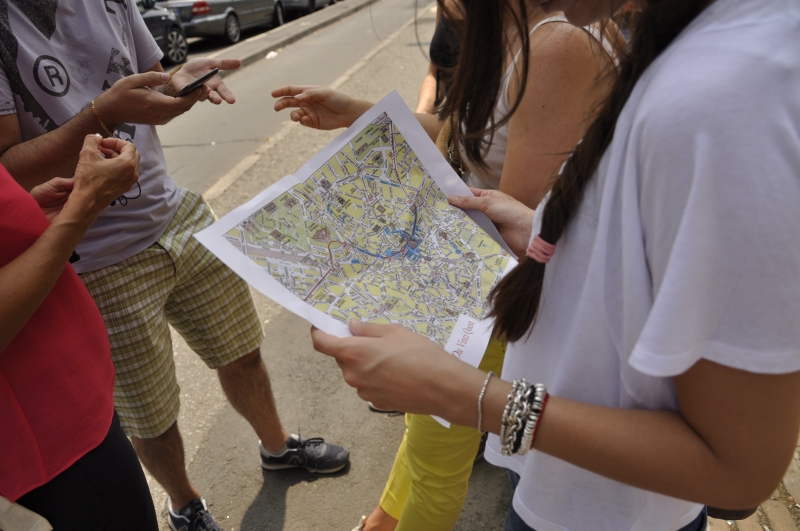
Through these activities, participants develop decision-making, communication, and prioritisation skills directly linked to the strategies and concrete projects introduced during the kick-off—returning to the office having already “rehearsed” the challenges that await them in the months ahead.
Maximising impact and long-term benefits
Investing in this integrated approach translates directly into tangible advantages: more cohesive, aligned, and motivated teams. Smaller, targeted sessions improve engagement, while hybrid formats allow remote participants to share in both strategy and experience. Technology can enhance interaction and accessibility, but the true value lies in designing events where experiential learning mirrors strategic objectives. When executed effectively, the kick-off plus team-building model becomes a highly efficient mechanism for embedding corporate vision and cultivating enduring commitment across the organisation.