
Future of team building: trends shaping collaboration in 2025
There’s a shift underway in how organisations gather people together for connection, not just for fun but for strategic collaboration.
In 2026, the future of team building will be reshaped by technology, changing work patterns, evolving workplace values and an unmistakable focus on inclusivity and employee wellbeing. These developments are creating experiences that go far beyond the traditional retreat or icebreaker.
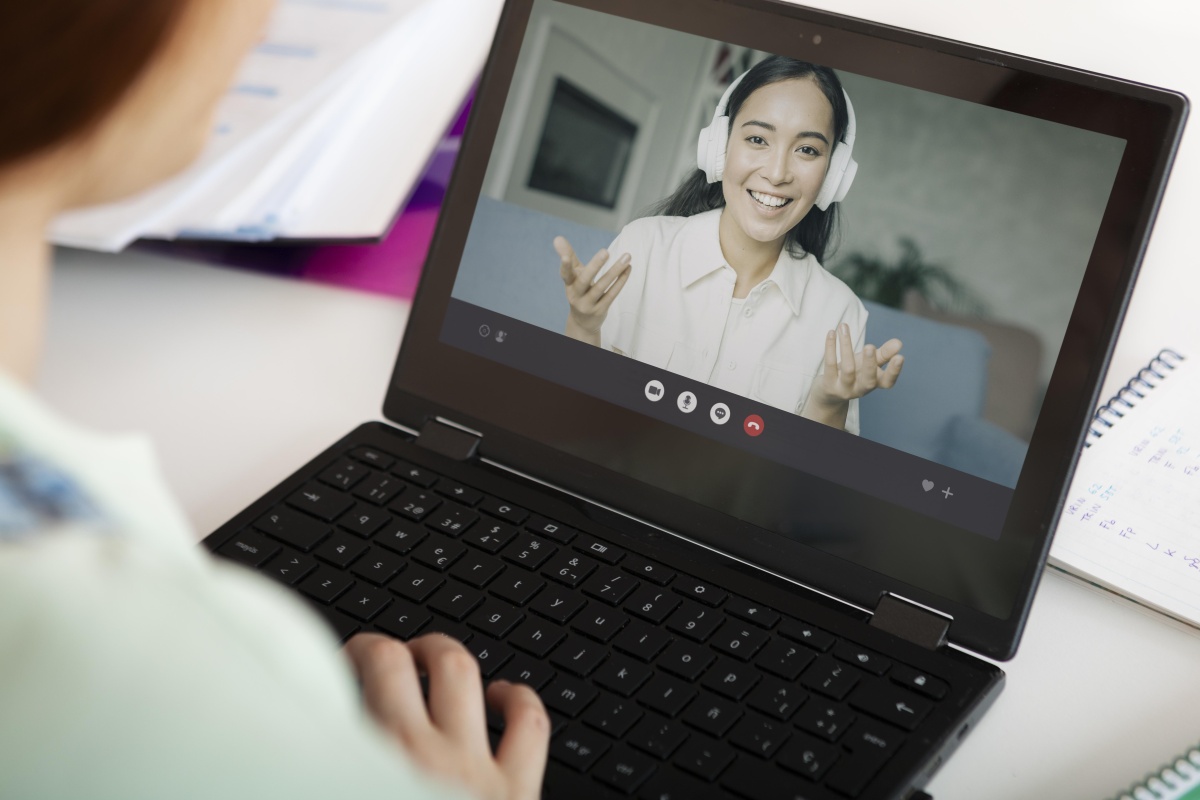
Hybrid and remote team cohesion
When teams are split across offices and living rooms, old-fashioned gatherings simply don’t cut it. Remote and hybrid work models are enduring, not passing fads, and that means activities must adapt accordingly. Virtual challenges, online workshops and blended events that mix digital and face-to-face elements help distributed groups maintain connection and engagement. Regular remote team events, such as collaborative tasks and blended gatherings that bring together on-site and off-site employees, are increasingly part of this landscape. These formats create opportunities for communication and trust building even when people are miles apart
Working across time zones introduces its own quirks. Some organisations are experimenting with asynchronous engagement, letting individuals contribute at times that suit them best while still building a sense of shared purpose and identity. That might look like digital appreciation boards, collaborative playlists or storytelling platforms that are accessible to everyone.

Integration of advanced technologies
Cutting-edge technology is no longer just a novelty for team experiences. Tools such as virtual reality and artificial intelligence are embedding themselves into the way teams gather and collaborate. Virtual reality environments offer immersive scenarios where groups tackle problems together as if physically present in the same space, while AI can tailor activities to team dynamics, personalising challenges to match skills and preferences. Such innovations not only make interactions more engaging but also boost participation among remote workers.
In practical terms, this might mean VR escape rooms that require strategic collaboration or AI-driven simulations that adapt in real time to how participants work together. These experiences can accelerate learning around communication and problem-solving, helping teams build cohesion in environments that feel vibrant and lively rather than flat or repetitive.

Focus on wellbeing and inclusion
Beyond the tools and tech, one of the strongest currents in team building today is a turning toward people’s broader needs. Employers are placing greater emphasis on activities that support mental and physical wellbeing, mindfulness, and inclusive participation. For example, sessions centred on wellbeing — such as group relaxation practices or resilience workshops — are becoming a deliberate feature of corporate programmes. These initiatives aim to make employees feel valued and supported, not just entertained.
Equally important is the push toward inclusivity. Diversity-centric designs, cultural exchange sessions and collaborative projects that highlight different perspectives are increasingly woven into team experiences. This isn’t about a token exercise, but a structural shift toward creating environments where all voices can be heard and connected.

Strategic adaptation to evolving workplaces
The workplace of 2026 isn’t a static office; it’s a flexible constellation of spaces, schedules and expectations. Team building strategies are evolving to support this reality. They’re designed not just to gather people momentarily, but to sustain engagement and cooperation across varied work settings. Focused efforts on psychological safety, regular check-ins and adaptable activities help teams stay connected as organisational needs evolve.

What this means for organisations
By blending advanced tech, wellbeing priorities and thoughtful design, the journey ahead for team building is multifaceted and, arguably, richer than ever before. Organisations that invest in these emerging patterns are better equipped to strengthen working relationships, improve the quality of collective effort and sustain diverse teams — whether people are sharing an office, travelling between sites or joining from a distance. And as work itself keeps shifting shape, the ways teams meet, exchange knowledge and develop over time will inevitably shift with it.