
How team building creates cohesive and productive teams
Team building plays a central role in organisational performance when it is considered within the broader architecture of workplace dynamics and not as an occasional activity detached from everyday processes.
Google’s Project Aristotle identified psychological safety, dependability, structure, clarity and impact as the most relevant conditions associated with effective teams, showing how interpersonal and organisational factors contribute to results alongside technical expertise.
Soft skills demand and the collaboration imperative
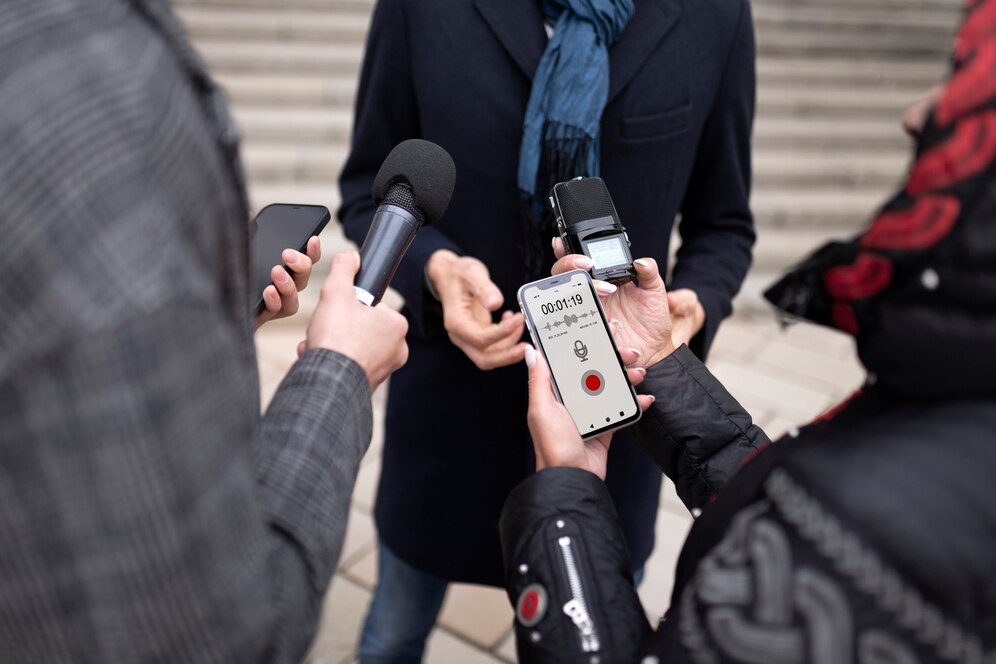
Employers increasingly recognise that technical expertise alone is insufficient for sustained team performance in environments where coordination and communication are constant requirements. Emotional intelligence has become a relevant component of collaboration, particularly in contexts where a significant share of workplace communication takes place through digital channels, requiring careful attention to tone, interpretation and responsiveness. Team effectiveness therefore depends on the ability of individuals to work together with consistency across different formats and tools, while organisations continue to invest unevenly in this area compared to technical training.
The implications of this imbalance are visible in workforce stability and engagement patterns. Organisations that invest in structured community-building practices often record higher employee retention, while collaborative environments tend to correlate with stronger participation in shared tasks and greater continuity in group-based work. Employees who feel acknowledged within team processes generally demonstrate more stable motivation and a more consistent level of contribution across projects.
Strategic implementation across sectors
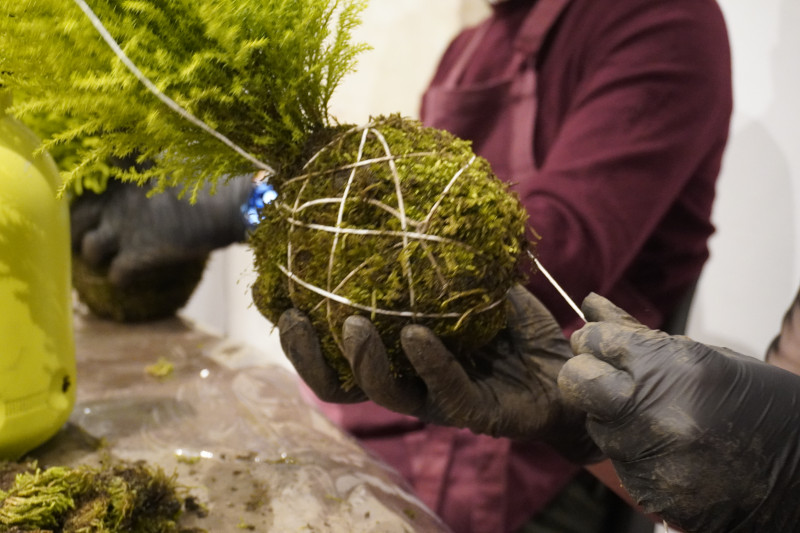
Different organisations have approached collaborative development through structured internal programmes designed to reinforce knowledge exchange and cross-functional interaction. Google, through its G2G initiative, encourages employees to share expertise internally in informal formats, allowing skills to circulate across teams without formal hierarchy-based constraints. This approach has been associated with stronger internal connectivity and more frequent interaction between departments, particularly in technical environments where specialised knowledge is often concentrated.
SAP has implemented design thinking workshops involving teams drawn from different departments in order to address product development challenges through shared problem framing and iterative discussion. By bringing together participants with different operational backgrounds, the process allows for a broader interpretation of user needs and supports the development of solutions that integrate multiple perspectives into a single workflow.

Unilever Netherlands has integrated collaborative practices into sustainability-related initiatives, asking employees to work collectively on operational and environmental challenges linked to the organisation’s broader objectives. This alignment between internal collaboration and corporate responsibility has created a setting in which teamwork is embedded within real organisational constraints rather than treated as a separate activity. L’Oréal’s Innovation Runway follows a similar logic, structuring collaborative work around idea development phases that require continuous interaction between participants with different areas of expertise.
Productivity gains with measurable outcomes
Evidence from organisational studies suggests that teams involved in structured collaborative activities tend to maintain higher levels of coordination over time, particularly when given autonomy in decision-making processes at local level. In several organisational contexts, teams that participate regularly in guided collaboration frameworks demonstrate higher levels of operational consistency and a stronger capacity to align individual contributions with group objectives.
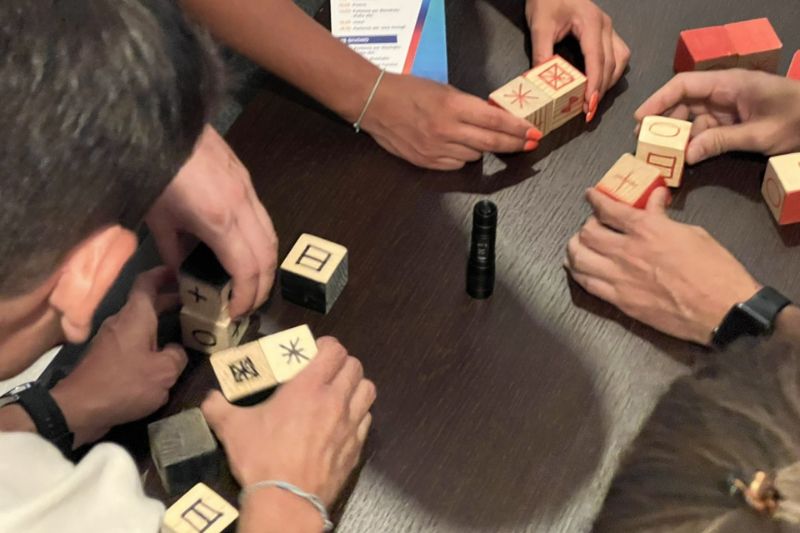
At the same time, outcomes depend heavily on the design of the activities themselves. Poorly structured initiatives often result in disengagement and inefficient use of time, while programmes that are integrated into real work processes tend to support more stable cooperation between colleagues. The most effective approaches are those that connect collaborative exercises with tasks and responsibilities that reflect actual organisational needs, allowing participants to develop working relationships that persist beyond individual sessions.
In this sense, team building can be understood as part of a broader system of organisational design, where interaction patterns, communication structures and shared objectives are defined with continuity across different levels of the company.