
Inclusive team building and human-centred experiences
Team-building activities are increasingly being redesigned according to new criteria, including the need to ensure greater impact and a stronger sense of psychological safety.
According to the Harvard Business Review, this sense of being in a “safe space” is essential for optimising performance and fostering innovation, as it allows employees to take moderate risks and express opinions and ideas without fear of repercussions. For this reason, HR managers and event planners are increasingly viewing team building not only as a tool to strengthen internal collaboration, but also as a way to ensure that participation is perceived as genuinely safe.

What psychological safety looks like in practice
A check-in round is a simple yet effective practice for building psychological safety, as it helps create equity in both sharing and listening. At the start of an activity, each participant briefly shares a prompt such as their name, role, or a simple personal detail. The aim is to ensure every voice is heard without interruption, establishing balance before the activity begins.
Co-created guidelines also support inclusion. Examples include structured speaking turns and listening rules such as focusing on understanding rather than responding. Methods like LARA (Listen, Affirm, Respond, Add information) reinforce respectful exchange and openness.

Recalibrating traditional formats for inclusion
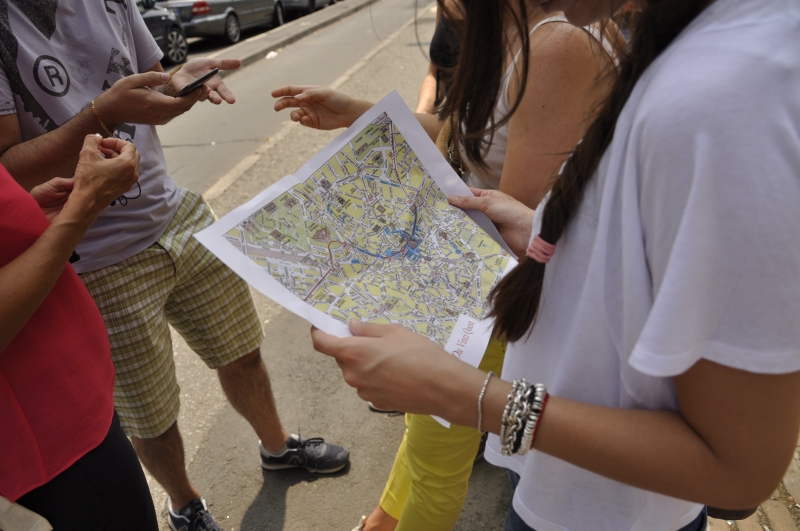
Traditional scavenger hunts often favour participants who are mobile, fast, and comfortable in competitive settings, which can unintentionally exclude others. Recalibrated versions introduce multiple participation channels. Physical tasks are combined with digital research. Accessibility measures include step-free locations, alternative routes, and clear written and audio instructions.
Role-based design is also used, as roles such as navigator, documentarian, or researcher allow different strengths to emerge, enabling participants who are less comfortable with movement to excel in areas such as strategy or analytical support.
Designing around human constraints
Accessibility often depends on environmental and time adjustments. Good lighting, clear audio, and appropriate seating arrangements support diverse needs, while breaks and flexible timing accommodate different energy levels and processing speeds.
In remote settings, inclusivity extends to scheduling across time zones and offering asynchronous participation, with tasks designed so that they do not depend on specific domestic or professional contexts.
Formats centred on connection
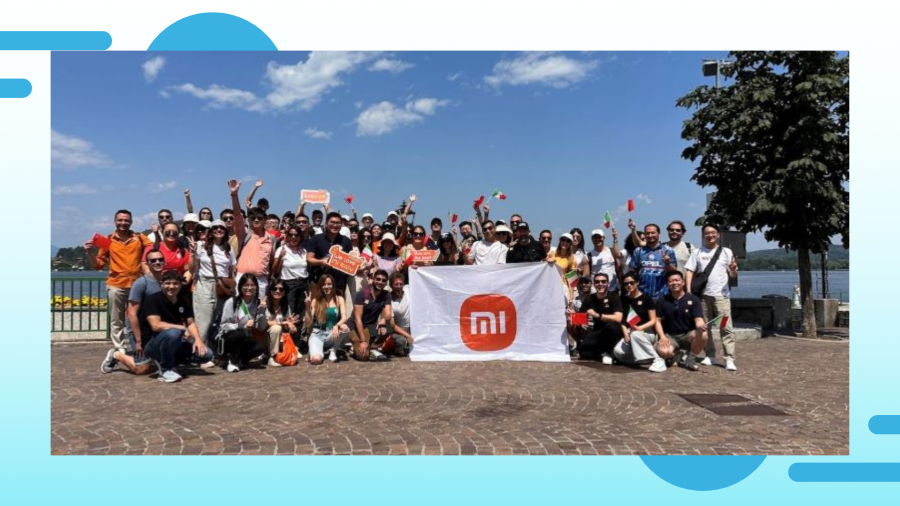
Psychological safety increases when collaboration replaces competition as the primary structure. Activities such as cooperative board games, peer skill-sharing, or group community projects encourage shared outcomes rather than individual ranking. Inclusive team-building programmes also integrate diversity-focused formats, combining awareness with interaction-based tasks.
Accommodation becomes part of the design process itself, as adjustments embedded from the outset help reduce participation barriers and foster more open communication. In this sense, psychological safety and inclusion function as structural elements rather than add-ons, shaping how activities are designed, not just how they are delivered.